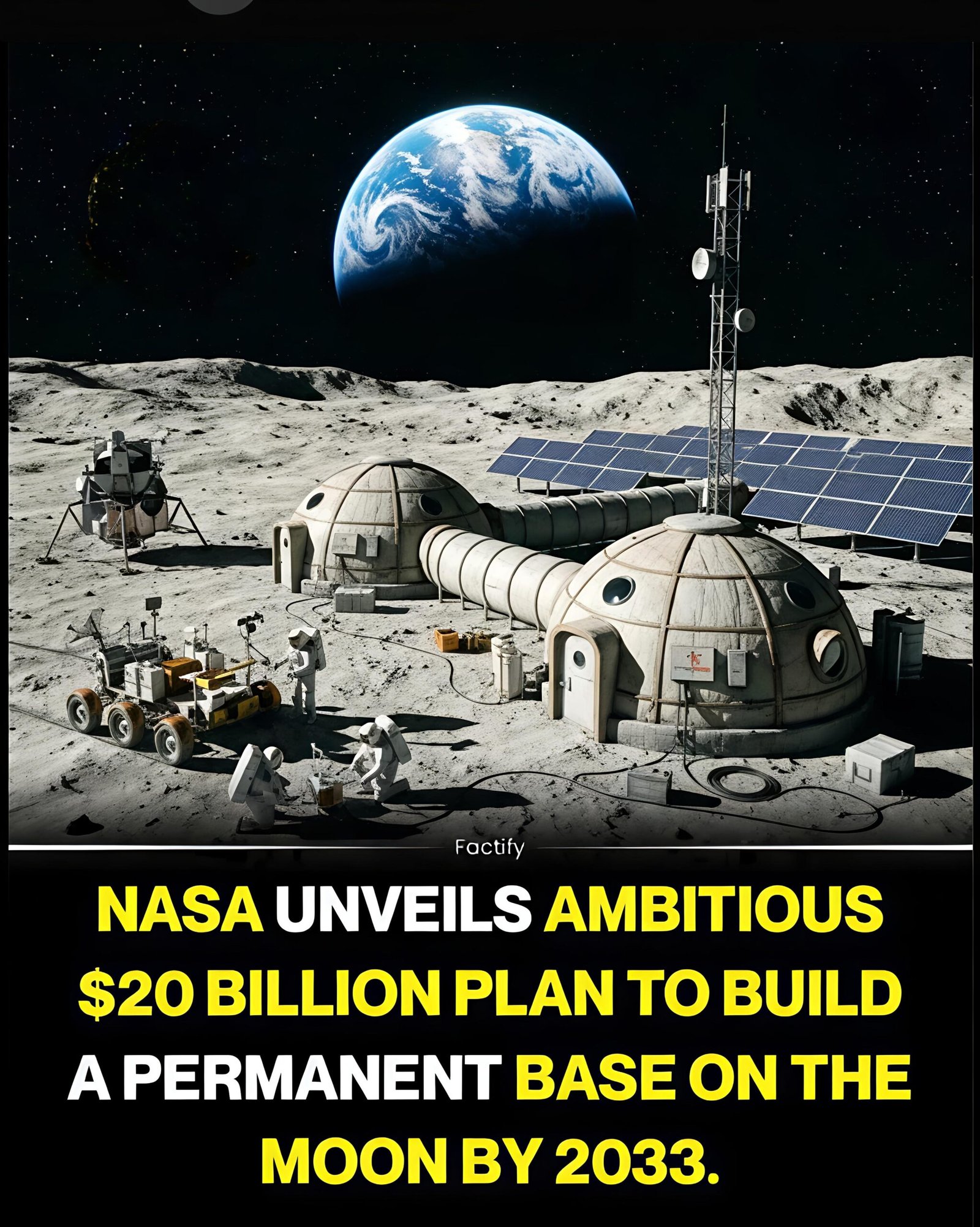
The moon colonization timeline 2026 is no longer just a dream; it’s a concrete plan being executed by global space agencies. Moon colonization timeline 2026 For fifty years, the Moon has been a ghost town—a desolate graveyard of flags and frozen footprints. # Understanding the Moon Colonization Timeline 2026But walk into the halls of NASA or SpaceX today, and the vibe has shifted. We aren’t just “visiting” anymore. We are moving in.
By the end of this decade, the lunar surface won’t just be a destination for a few lucky pilots; it’s going to be humanity’s first outpost on what experts are now calling “The Eighth Continent.”
The 2026 Turning Point
Right now, as we speak, the Artemis II mission is the talk of the industry. It’s the ultimate stress test. Sending a crew to loop around the Moon in 2026 isn’t just about proving we can do it—it’s about proving that the hardware for a permanent base actually works in the brutal vacuum of space.
If Artemis II succeeds, the floodgates open. We’re looking at a timeline where Artemis III attempts a landing in 2027, followed by a steady stream of “construction” missions by 2030.
- Moon par oxygen kaise banegi?
- Wahan ka temperature kitna hota hai?
- Radiation se bachne ke liye buildings kaise banengi?
Who is Writing the Checks?
This isn’t your grandfather’s space race. Back in the 60s, it was a two-way street between the US and the Soviets. Today, it’s a chaotic, high-stakes brawl between governments and billionaires.
- NASA (Artemis): They are the anchor, spending upwards of $93 billion through 2025-2026 just to get the infrastructure ready.
- SpaceX (The Disruptor): Elon Musk’s Starship is the real game-changer. While NASA builds the “house,” Starship is the massive moving truck. It’s designed to carry 100 tons of cargo. To put that in perspective, that’s enough to drop a pre-fabricated laboratory onto the lunar dust in a single trip.
- China (The Silent Giant): China isn’t just competing; they’re winning in some areas. Their ILRS (International Lunar Research Station) project is a massive joint venture with Russia, aiming to have a robotic base operational by 2030, with humans moving in shortly after.
- Blue Origin: Jeff Bezos isn’t sitting this out. His Blue Moon lander is the “Plan B” that NASA is pouring billions into to ensure that no single company has a monopoly on the Moon.
The Lunar “Gold Mine” at the South Pole
Why all the fuss about the Lunar South Pole? It’s not for the view. It’s for the water.
The deep craters at the pole haven’t seen sunlight in billions of years. They are filled with ice. In the space economy, water is more valuable than gold. You can drink it, sure, but you can also split it into oxygen (to breathe) and hydrogen (to fuel rockets). The Moon isn’t just a destination; it’s the gas station for Mars.
The Bottom Line: When Can You Move?
Don’t pack your bags for a lunar vacation just yet. The first “colonists” will be scientists, engineers, and miners living in cramped, pressurized tubes buried under lunar soil to protect them from radiation.
We are looking at a permanent, rotating human presence by 2032-2035. It’s a multi-hundred-billion-dollar gamble, but for the first time in history, the money is actually being spent, the rockets are actually being built, and the Moon is no longer just a light in the sky—it’s a construction site. The moon colonization timeline 2026 is no longer just a dream; it’s a concrete plan being executed by global space agencies.
The Logistics of Lunar Survival
Living on the Moon isn’t just about landing; it’s about surviving the environment. Unlike Earth, the Moon has no atmosphere to block dangerous solar radiation. To solve this, engineers are planning to use “Lunar Regolith” (moon dust) to 3D-print thick protective shells over habitats. This would act as a natural shield, keeping the interior safe for humans. Additionally, the extreme temperature swings—from scorching heat to freezing cold—mean that these bases will need advanced thermal management systems that can maintain a steady room temperature regardless of the external conditions.